

What Causes Ingrown Toenails and How to Prevent Them
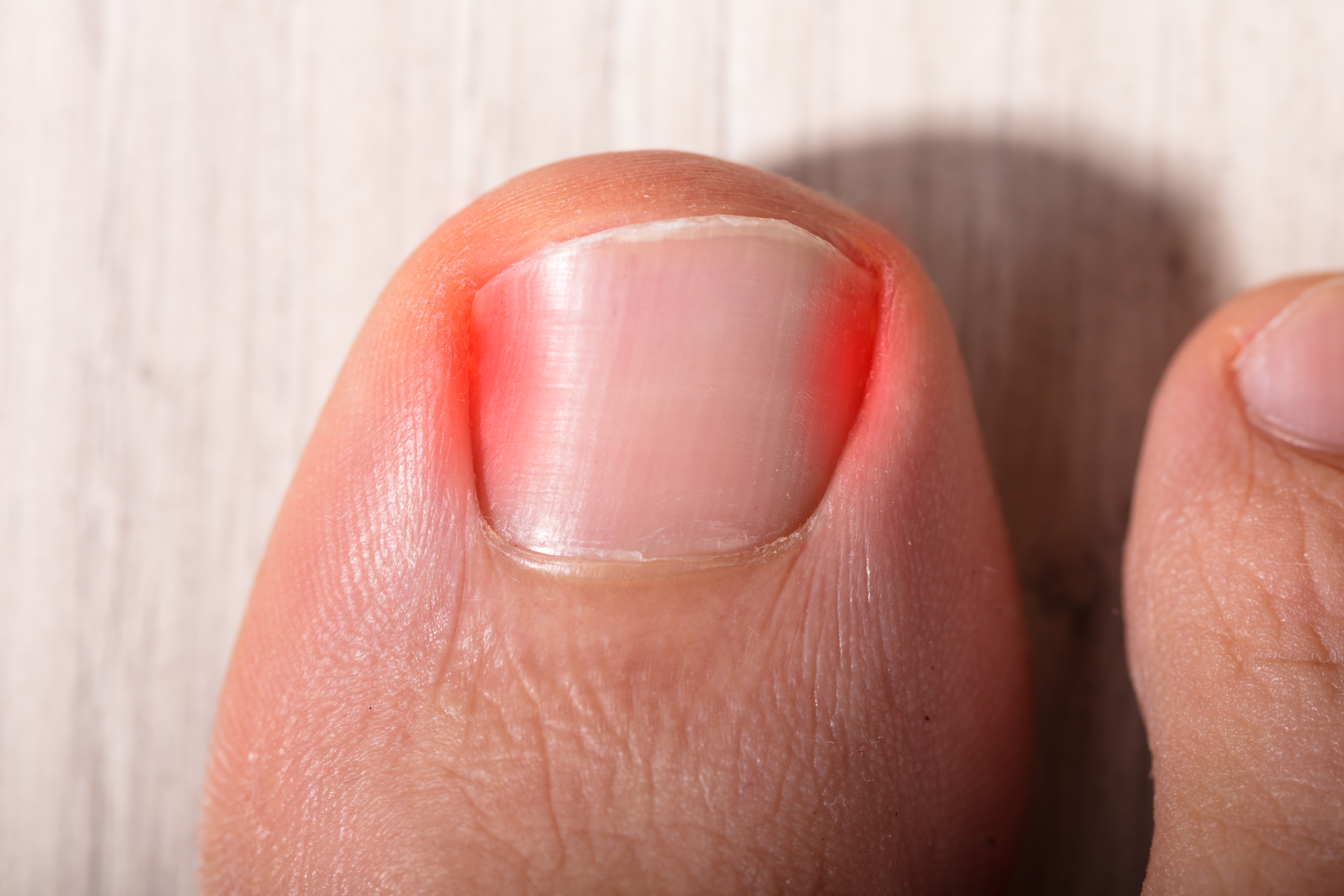
Ingrown toenails are a common cause of foot pain, and they can go from mild discomfort to a more serious problem when swelling, redness, or infection develops. At Resnikoff Podiatry & Foot Surgery Center, we help patients in New York, NY treat ingrown toenails and understand how to lower the chances of them coming back.
What Causes Ingrown Toenails?
An ingrown toenail happens when the edge of the nail grows into the surrounding skin instead of over it. This often develops because of improper nail trimming, especially when nails are cut too short or rounded at the corners. Tight shoes can also place extra pressure on the toes and make the problem worse. In some cases, the natural shape or thickness of the nail can make ingrown toenails more likely.
Why Ingrown Toenails Can Get Worse
An ingrown toenail may start with tenderness, but it can quickly become more painful if the nail keeps pressing into the skin. Over time, the area may become red, swollen, and irritated. If bacteria enter the skin, an infection can develop. It is important to address the problem early instead of waiting for symptoms to worsen.
Common Risk Factors
In New York, many people spend long hours walking, standing, or wearing dress shoes that do not leave much room in the toe box. These daily habits can increase pressure on the toes and raise the risk of an ingrown toenail. Some of the most common contributing factors include:
• Cutting toenails too short
• Rounding the edges of the nail
• Wearing tight or narrow shoes
• Repeated pressure on the toes
• Naturally curved or thick toenails
How to Help Prevent Ingrown Toenails
The best way to prevent ingrown toenails is to follow a few simple foot care habits. We recommend trimming toenails straight across rather than curving them at the edges. It also helps to avoid cutting them too short. Shoes should fit comfortably and leave enough room in the front so the toes are not constantly compressed. If you notice pain, swelling, or redness around the nail, it is best to have it evaluated before it becomes more serious.
When to See Our Podiatrist
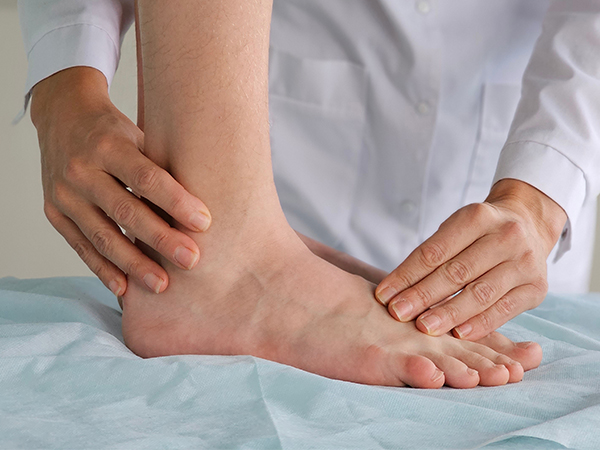
Some ingrown toenails can become too painful or inflamed to manage safely at home. If the area is swollen, infected, or keeps coming back, professional treatment may be the best option. We can evaluate the nail, relieve the pressure causing the pain, and recommend the right treatment to help prevent future problems.
Contact Resnikoff Podiatry & Foot Surgery Center to schedule consultation for a painful or recurring ingrown toenail. Visit our office in New York, NY, or call (212) 679-3338 to book an appointment today.
All
Services

Keep
In Touch
MAP
© 2026 Resnikoff Podiatry & Foot Surgery Center. All Rights Reserved. Accessibility Statement - Privacy Policy - Sitemap
Powered by: 