
Toe Surgery for Deformities: When and Why It’s Recommended
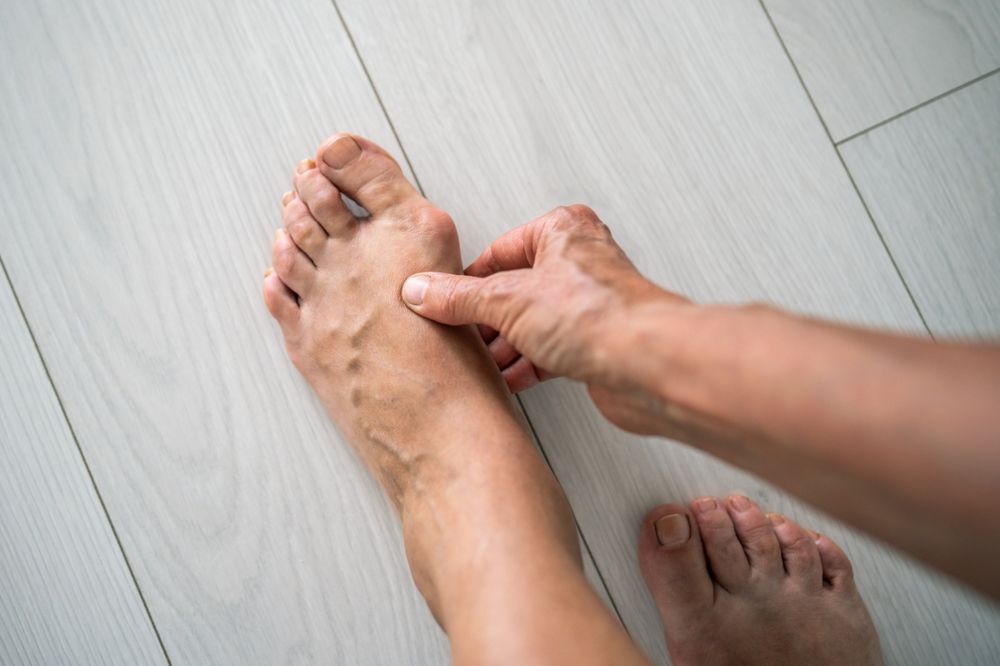
Toe deformities can gradually change the way your feet feel and function. What may begin as mild discomfort can turn into ongoing pain, pressure in shoes, irritation between toes, and difficulty walking comfortably. For many patients in New York, toe surgery is recommended when a deformity starts affecting daily movement and no longer responds well to conservative treatment.
Common Toe Deformities That May Need Surgery
Some of the most common conditions that may lead to toe surgery include hammertoes, bunions, overlapping toes, and other structural toe deformities. These issues can develop from genetics, foot mechanics, arthritis, past injuries, or years of wearing tight shoes.
Many patients first notice pain when standing for long hours, exercising, or trying to wear regular footwear comfortably. Over time, the deformity may become more rigid and harder to manage without surgical treatment.
When Conservative Care Is No Longer Enough
Toe surgery for deformities is usually not the first step. Our podiatrist in New York will often begin with non-surgical treatment such as shoe changes, padding, orthotics, splints, or activity modifications. These options can help reduce discomfort, especially in the earlier stages.
Surgery may be recommended when the deformity continues to progress or pain starts interfering with daily life. If the toe is becoming stiff, rubbing against other toes, or causing recurring corns and calluses, surgery may offer a more effective long-term solution.
Signs Surgery May Be Recommended
Dr. Adam Resnikoff may suggest toe surgery if you are dealing with:
Ongoing toe pain that does not improve with conservative care
Difficulty walking or standing comfortably
Trouble fitting into shoes because of toe deformities
Repeated irritation, corns, or skin breakdown
A toe that has become rigid or significantly misaligned
Why Toe Surgery Can Be the Right Choice
The goal of toe surgery is to correct the underlying structural problem, not just the symptoms. Depending on the condition, surgery may straighten the toe, reduce pressure, improve joint alignment, or restore function.
For patients with hammertoes or similar toe deformities, early surgical correction can also help prevent worsening pain and secondary issues elsewhere in the foot. In a busy city like New York, where many people spend a lot of time on their feet, improving comfort and mobility can make a real difference in everyday life.
What Our Podiatrist Will Consider
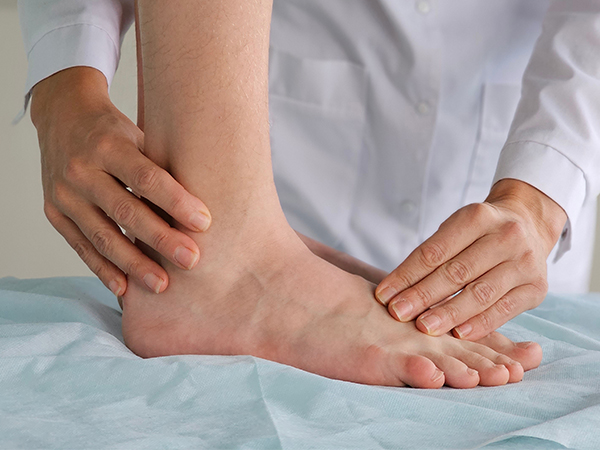
Not every deformity requires the same approach. Dr. Resnikoff will evaluate the severity of the deformity, how flexible the toe still is, your activity level, and whether other foot problems are contributing to the issue. X-rays and a physical exam help determine whether toe surgery is the best treatment plan. A personalized recommendation is important because the right procedure depends on the type of deformity and your long-term goals.
Get Expert Surgical Treatment for Toe Deformities
If toe deformities are causing pain, limiting your movement, or making shoes uncomfortable, it may be time to explore toe surgery. Schedule a consultation at Resnikoff Podiatry & Foot Surgery Center to learn more about your options.
Resnikoff Podiatry & Foot Surgery Center
20 E 46th St, 9th Floor
New York, NY 10017
(212) 679-3338
All
Services

Keep
In Touch
MAP
© 2026 Resnikoff Podiatry & Foot Surgery Center. All Rights Reserved. Accessibility Statement - Privacy Policy - Sitemap
Powered by: 