

Bunion Pain: When You Should Consider Surgery
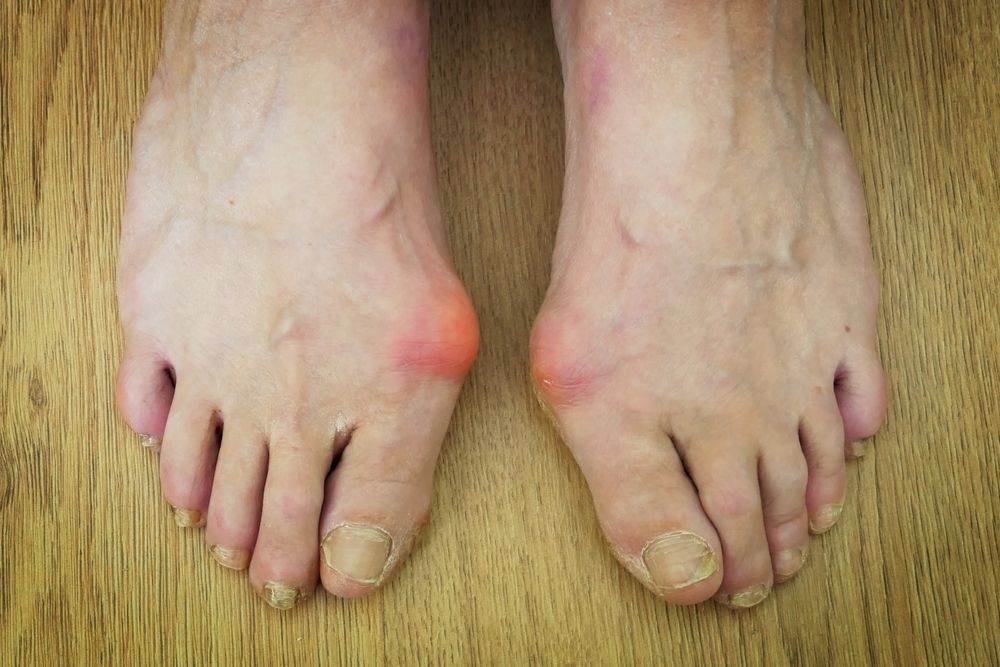
Bunion pain can start as a mild nuisance and gradually become a daily source of discomfort that interferes with walking, exercise, and even wearing shoes. While many bunions can be managed conservatively, there are times when surgery becomes the most effective solution.
What Is a Bunion?
A bunion, medically known as hallux valgus, is a bony bump that forms at the base of the big toe. It develops when the big toe gradually shifts inward toward the second toe, causing the joint at its base to protrude outward. Over time, this misalignment can worsen, leading to inflammation, stiffness, and pain.
Bunions are progressive, meaning they often get worse without proper treatment. What may begin as occasional soreness can evolve into chronic pain and significant joint deformity.
What Causes Bunions?
Bunions can develop for several reasons, often involving a combination of factors, including:
- Foot structure and biomechanics - Inherited foot types or abnormal mechanics can increase pressure on the big toe joint
- Genetics - A family history of bunions raises your risk
- Improper footwear - Tight, narrow, or high-heeled shoes can accelerate bunion formation
- Arthritis - Inflammatory joint conditions can contribute to bunion development
- Repetitive stress - Occupations or activities that place excessive strain on the feet
While shoes do not directly cause bunions, they can significantly worsen symptoms and speed up progression.
What Is Bunion Surgery?
Bunion surgery in New York is performed to correct the alignment of the big toe joint and reduce pain caused by the deformity. The procedure typically involves making a precise incision near the affected joint to allow access and realign the bones. Small surgical hardware, such as a wire or similar fixation device, may be used to help stabilize the bones in their corrected position as they heal.
During the procedure, surrounding soft tissues - including ligaments and tendons - may also be adjusted to restore proper balance and function. Depending on the severity of the bunion and the condition of the joint, the surgery may include removing a small portion of bone, reshaping the joint, or, in advanced cases, removing part of the joint or fusing it to eliminate pain and improve stability.
When Should You Consider Bunion Surgery?
You may want to consider surgery if:
- Bunion pain persists despite conservative treatments such as shoe modifications, orthotics, or anti-inflammatory care
- Pain interferes with daily activities, work, or exercise
- You experience chronic inflammation, swelling, or stiffness in the big toe joint
- The bunion continues to worsen or causes toe crowding and secondary problems like hammertoes
- You have difficulty finding comfortable footwear due to the deformity
Find Out If Bunion Surgery Is Right for You
Bunions are more than a cosmetic concern - they are a progressive foot condition that can cause significant pain and mobility issues if left untreated. While many patients find relief with conservative care, surgery may be the best option when pain becomes persistent and limits daily life. A comprehensive evaluation by our experienced podiatrist in New York can help determine the most appropriate treatment plan for your individual needs.
If bunion pain is affecting your comfort or limiting your activities, schedule a consultation with Dr. Adam Resnikoff at Resnikoff Podiatry & Foot Surgery Center to learn more about bunion surgery. Contact our office in New York, NY, by calling (212) 679-3338 to book an appointment today.

All
Services

Keep
In Touch
MAP
© 2026 Resnikoff Podiatry & Foot Surgery Center. All Rights Reserved. Accessibility Statement - Privacy Policy - Sitemap
Powered by: 